Call/Text

How Myopia Control Is Evolving: Treatments, Technology, & Lifestyle Changes
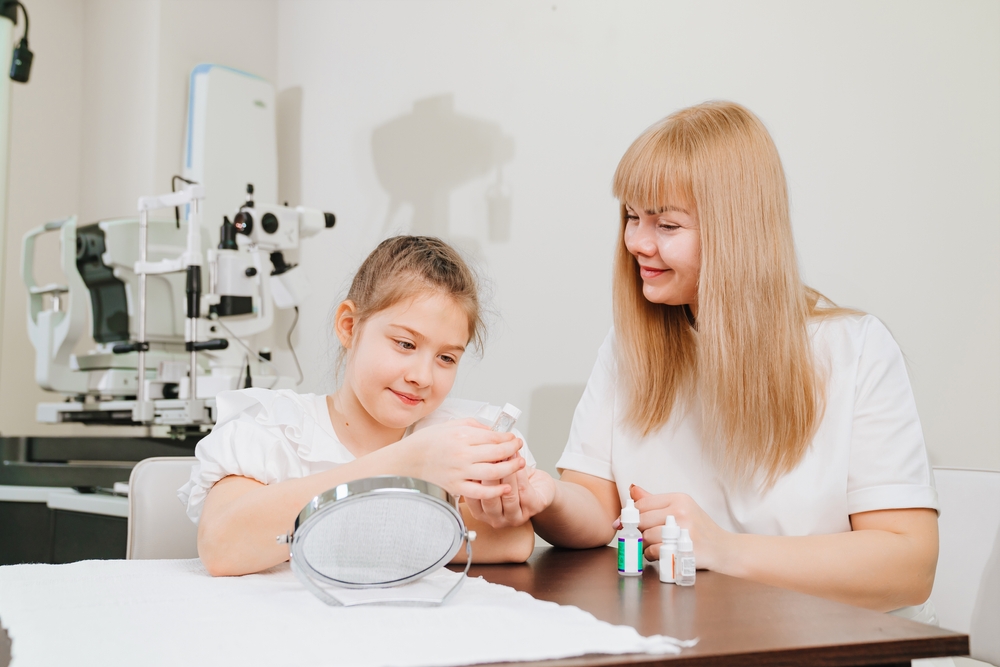
Myopia, or nearsightedness, is becoming increasingly common in children and teens. With more digital screen time and less outdoor play, many young eyes are working harder than ever - and as a result, myopia rates continue to rise. The good news is that modern advancements in eye care are making it easier to manage myopia and slow its progression. At Gold Optometry, Dr. Michelle Kim and her team offer innovative myopia management solutions to help protect your child’s long-term vision.
Understanding Myopia & Why Early Care Matters
Myopia occurs when the eye grows too long, causing light to focus in front of the retina rather than directly on it. While glasses and contacts improve clarity, they don’t address the underlying issue: continued eye growth that can lead to high myopia.
The higher the myopia, the greater the risk of sight-threatening conditions later in life, such as glaucoma, retinal detachment, and macular degeneration. That’s why early intervention is key.
Advancements in Myopia Control Treatments
Myopia management has come a long way from just stronger glasses each year. Today’s options are designed to control progression - not just correct vision.
Here are some of the most effective treatment strategies:
• Orthokeratology (Ortho-K): Ortho-K lenses are worn overnight to gently reshape the cornea while your child sleeps, allowing clear vision during the day without glasses or contacts. They slow eye growth while offering freedom from daytime corrective lenses.
• Multifocal Contact Lenses: These specialty lenses correct distance vision while also focusing peripheral light in a controlled way that reduces the stimulus for eye elongation.
• Essilor® Stellest™ Lenses: A breakthrough in myopia control, Essilor Stellest lenses use Highly Aspherical Lenslet Target (H.A.L.T.) technology to help slow the rate of myopia progression. They offer comfortable, clear vision - and studies show significant results when used consistently.
• Atropine Eye Drops: Low-dose atropine is a safe, non-surgical option that helps slow the progression of myopia, especially when combined with other treatments.
Lifestyle Changes Make a Meaningful Difference
Modern research shows that healthy habits play an important role in slowing myopia:
• Increase daily outdoor time (ideally 90-120 minutes)
• Limit extended screen use and implement eye-healthy breaks (20-20-20 rule)
• Encourage proper working distance and posture while reading or on devices
• Ensure regular eye exams to catch progression early
These changes, paired with an individualized treatment plan, can provide better long-term protection for your child’s sight.
Personalized Myopia Management at Gold Optometry
Every child’s eyes are unique, and so are their treatment needs. Dr. Kim takes a personalized approach, using advanced diagnostic tools and evidence-based treatments to help safeguard your child’s visual future. Whether your child is newly diagnosed or already experiencing prescription changes year after year, we provide the right solutions to protect their vision.
Protect Your Child’s Vision Today
Myopia control has entered a new era - one where advanced technology and proactive care work together to preserve healthy vision. By addressing myopia early and comprehensively, children can enjoy clearer eyesight today and significantly reduced vision risks tomorrow.
Schedule a myopia management consultation at Gold Optometry to find the right treatment for your child’s needs. Visit our office in Los Angeles or Garden Grove, California. Please call (213) 384-1001 or (714) 530-1001 to book an appointment today.
Quick Links

All Eye
Care Services

Keep
In Touch
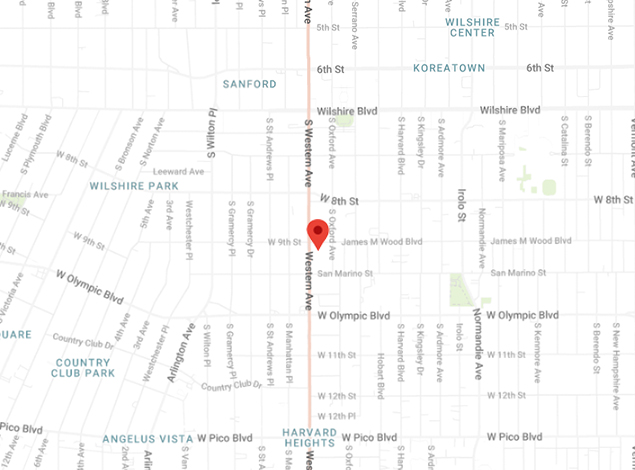
Koreatown Plaza (Second Floor) 928 S. Western Ave. #229
Los Angeles, CA 90006
PHONE/TEXT NUMBER : (213) 384-1001OFFICE HOURS
| Monday | 10:00 am to 7:00 pm |
| Tuesday | 10:00 am to 7:00 pm |
| Wednesday | 10:00 am to 7:00 pm |
| Thursday | 10:00 am to 7:00 pm |
| Friday | 10:00 am to 7:00 pm |
| Saturday | 10:00 am to 7:00 pm |
| Sunday | Closed |

OFFICE HOURS
| Monday | 10:00 am to 6:30 pm |
| Tuesday | 10:00 am to 6:30 pm |
| Wednesday | 10:00 am to 6:30 pm |
| Thursday | 10:00 am to 6:30 pm |
| Friday | 10:00 am to 6:30 pm |
| Saturday | 10:00 am to 6:30 pm |
| Sunday | Closed |


PATIENT CARE HOURS

- Monday 10:00 am to 7:00 pm
- Tuesday 10:00 am to 7:00 pm
- Wednesday 10:00 am to 7:00 pm
- Thursday 10:00 am to 7:00 pm
- Friday 10:00 am to 7:00 pm
- Saturday 10:00 am to 7:00 pm
- Sunday Closed
WEEKDAY WALK-IN HOURS 11:00 AM- 4:00 PM
PATIENT CARE HOURS
- Monday 10:00 am to 6:30 pm
- Tuesday 10:00 am to 6:30 pm
- Wednesday 10:00 am to 6:30 pm
- Thursday 10:00 am to 6:30 pm
- Friday 10:00 am to 6:30 pm
- Saturday 10:00 am to 6:30 pm
- Sunday Closed
WEEKDAY WALK-IN HOURS 11:00 AM- 4:00 PM
follow us

© 2026 Gold Optometry All rights Reserved. Privacy Policy Sitemap
Powered by