Call/Text
Dry Eye or Allergies? How to Tell the Difference
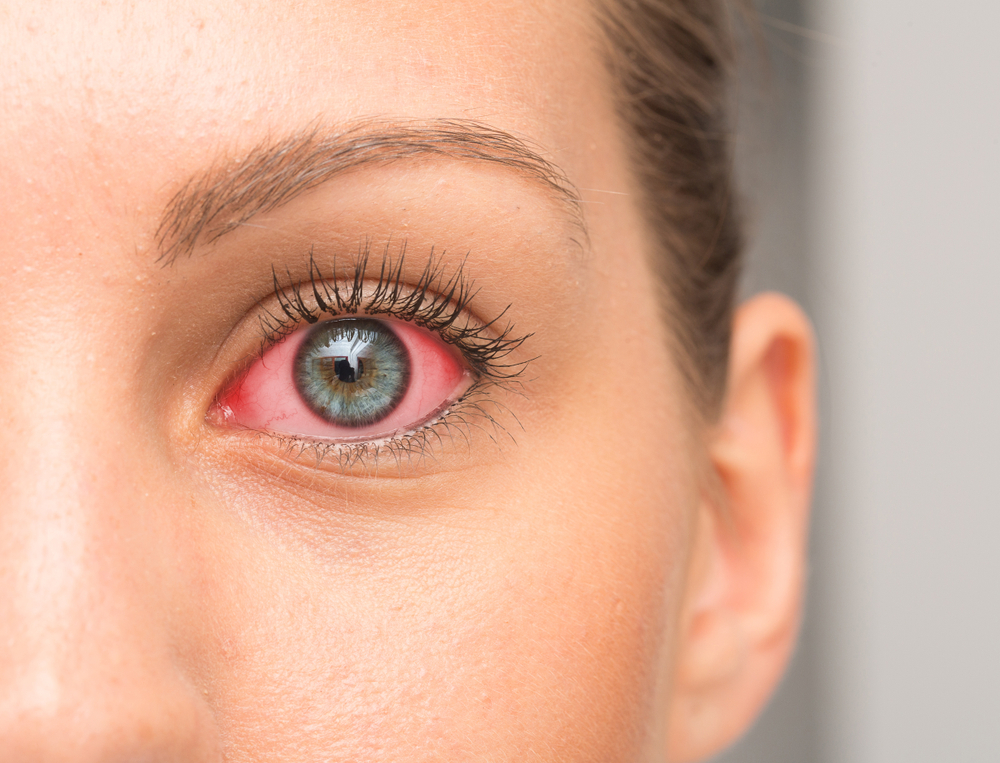
It is easy to confuse dry eye and eye allergies because both can cause irritation, redness, and discomfort. However, the cause of each condition is different, which means the right treatment can be different too. At Gold Optometry, Dr. Michelle Kim helps patients identify the source of their symptoms so they can find lasting relief instead of guessing.
What Dry Eye Usually Feels Like
Dry eye happens when your eyes do not produce enough tears or when your tears evaporate too quickly. This can leave the surface of the eye irritated and unstable.
Common dry eye symptoms include burning, stinging, blurry vision that comes and goes, light sensitivity, and a gritty sensation like something is in the eye. Many people also notice symptoms get worse after screen time, reading, driving, or spending time in air-conditioned spaces.
What Eye Allergies Usually Feel Like
Eye allergies are triggered by irritants such as pollen, dust, pet dander, or mold. When the eyes react to these allergens, itching is often the most noticeable symptom.
Allergies may also cause watery eyes, puffiness, redness, and frequent rubbing. Symptoms often flare up during certain seasons or after exposure to a known trigger. Unlike dry eye, allergies are more likely to affect the eyes along with sneezing, nasal congestion, or a runny nose.
The Key Signs That Help Tell Them Apart
Here are a few simple ways to spot the difference:
- Dry eye often causes burning, stinging, and fluctuating vision
- Allergies are more likely to cause intense itching and swelling
- Dry eye may worsen with screens, wind, or indoor air
- Allergies may worsen around pollen, pets, dust, or seasonal changes
- Watery eyes can happen with both, so this symptom alone does not confirm the cause
Why Symptoms Can Overlap
Some patients actually have both dry eye and allergies at the same time. Allergies can irritate the eyes, and frequent rubbing may make dryness worse. In some cases, over-the-counter drops may provide temporary relief for one issue while doing very little for the other.
That is why an accurate diagnosis matters. Treating allergies when the real problem is dry eye can delay proper care. Treating dry eye without addressing allergies can also leave patients frustrated by ongoing symptoms.
When to Schedule an Eye Exam
If your symptoms keep returning, interfere with work or daily comfort, or do not improve with basic care, it is time for a professional evaluation. Dr. Kim can examine your tear quality, assess the health of the eye surface, and look for signs of allergic irritation. From there, she can recommend treatment based on what your eyes actually need. Whether your symptoms are mild or persistent, getting the right answer can help protect your vision and improve everyday comfort.
If your experiencing dry eye and allergies symptoms, schedule a consultation at Gold Optometry for personalized treatment and lasting relief. Visit our office in Los Angeles or Garden Grove, California. Please call (213) 384-1001 or (714) 530-1001 to book an appointment today.
Quick Links

All Eye
Care Services

Keep
In Touch
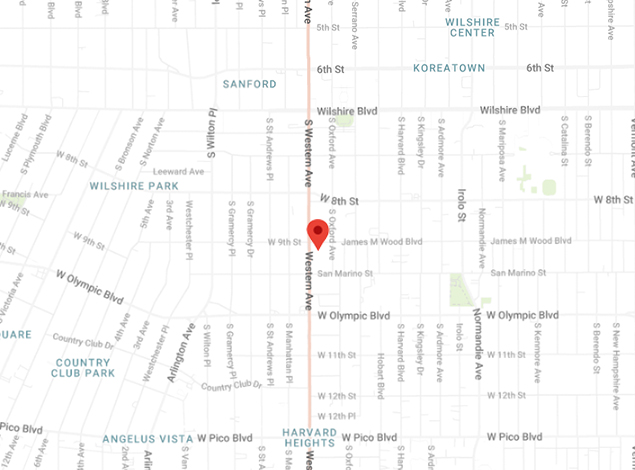
Koreatown Plaza (Second Floor) 928 S. Western Ave. #229
Los Angeles, CA 90006
PHONE/TEXT NUMBER : (213) 384-1001OFFICE HOURS
| Monday | 10:00 am to 7:00 pm |
| Tuesday | 10:00 am to 7:00 pm |
| Wednesday | 10:00 am to 7:00 pm |
| Thursday | 10:00 am to 7:00 pm |
| Friday | 10:00 am to 7:00 pm |
| Saturday | 10:00 am to 7:00 pm |
| Sunday | Closed |

OFFICE HOURS
| Monday | 10:00 am to 6:30 pm |
| Tuesday | 10:00 am to 6:30 pm |
| Wednesday | 10:00 am to 6:30 pm |
| Thursday | 10:00 am to 6:30 pm |
| Friday | 10:00 am to 6:30 pm |
| Saturday | 10:00 am to 6:30 pm |
| Sunday | Closed |


PATIENT CARE HOURS

- Monday 10:00 am to 7:00 pm
- Tuesday 10:00 am to 7:00 pm
- Wednesday 10:00 am to 7:00 pm
- Thursday 10:00 am to 7:00 pm
- Friday 10:00 am to 7:00 pm
- Saturday 10:00 am to 7:00 pm
- Sunday Closed
WEEKDAY WALK-IN HOURS 11:00 AM- 4:00 PM
PATIENT CARE HOURS
- Monday 10:00 am to 6:30 pm
- Tuesday 10:00 am to 6:30 pm
- Wednesday 10:00 am to 6:30 pm
- Thursday 10:00 am to 6:30 pm
- Friday 10:00 am to 6:30 pm
- Saturday 10:00 am to 6:30 pm
- Sunday Closed
WEEKDAY WALK-IN HOURS 11:00 AM- 4:00 PM
follow us

© 2026 Gold Optometry All rights Reserved. Privacy Policy Sitemap
Powered by